
Pilatus Aircraft Ltd. is the only Swiss company that designs, manufactures, and sells aircraft worldwide. In the highly regulated aviation industry, safety, quality, and full process traceability are critical.
To further improve productivity and transparency across manufacturing processes, Pilatus entered a long-term partnership with Consulteer. The goal was to digitize paper-based workflows along the supply chain while maintaining the highest safety standards.
Balancing Safety & Productivity.
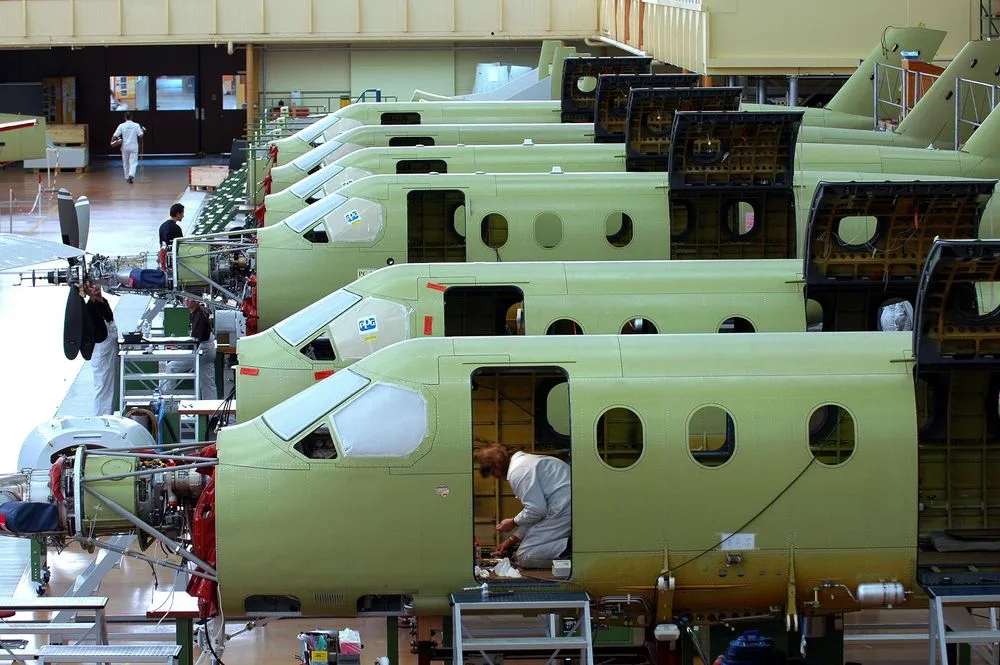
Aircraft manufacturing involves thousands of components, complex work orders, and strict documentation requirements. Despite increasing automation, many production steps were still paper-based - resulting in manual effort, limited transparency, and increased risk of errors.
The challenge was to digitize these processes end-to-end without compromising safety, quality, or compliance.
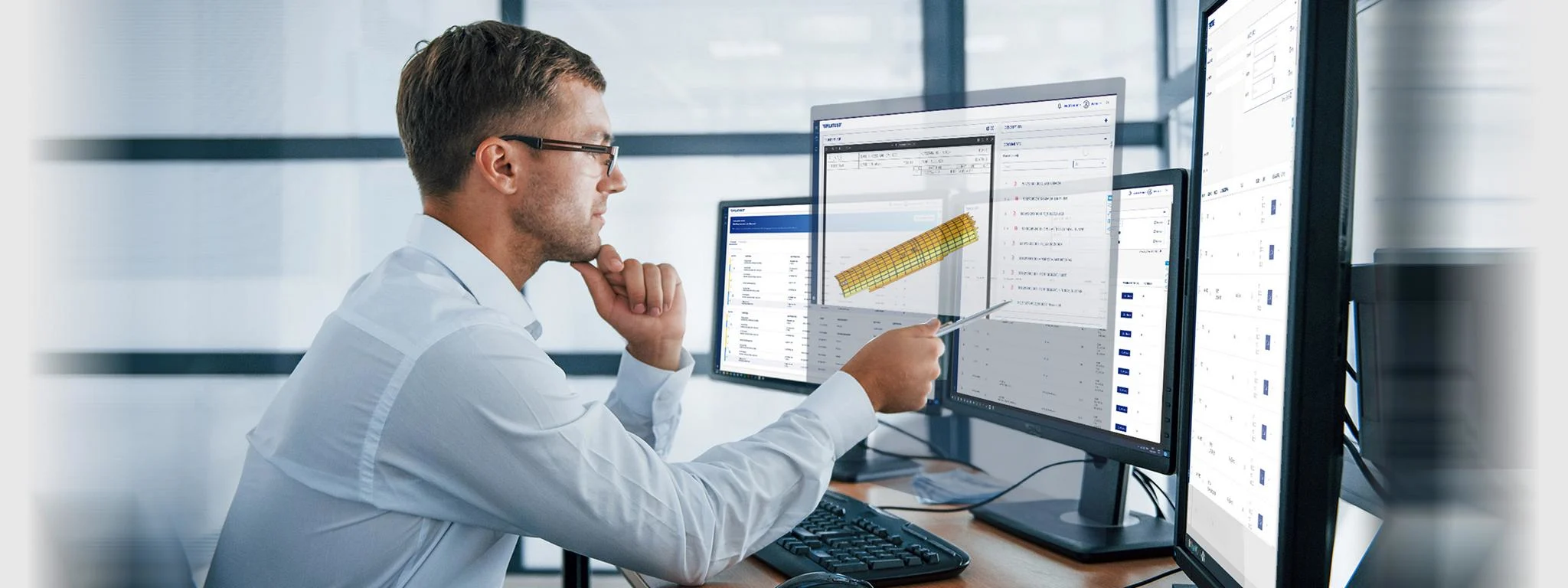
Everything at a Glance.
Together with Pilatus, Consulteer developed a Digital Workorder that receives work orders directly from the ERP system and enriches them with relevant information such as drawings, bills of materials, and 3D models.
All assemblies, components, and materials are connected within a single digital ecosystem. The status of each order can be tracked seamlessly from release to delivery.
Technologies: Mendix (Low Code), SAP, Teamcenter
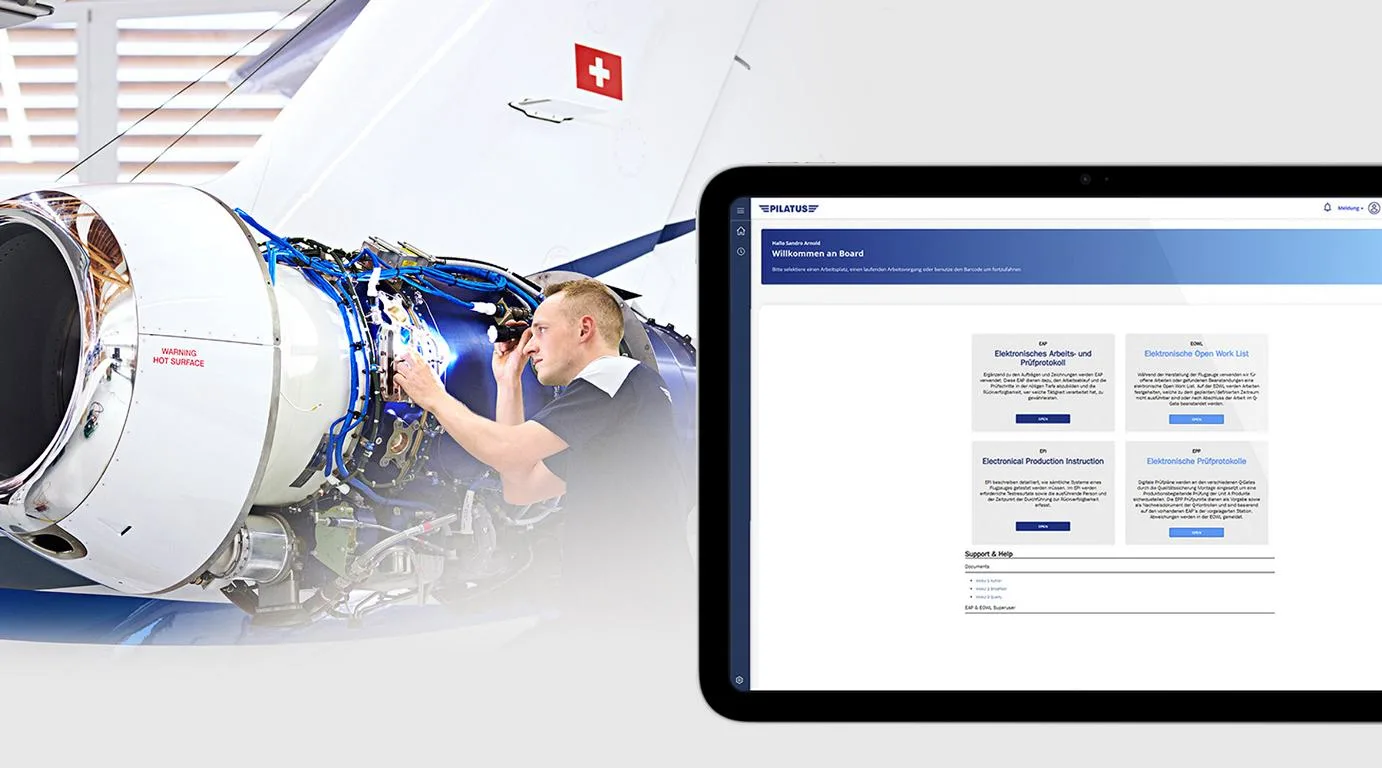
Going paperless in Production.
In addition, the Less Paper Platform was introduced to fully digitize assembly and inspection processes. Each production step is validated and secured by defined quality checks.
A flexible, domain-driven microservice architecture enables continuous extension of the platform and seamless integration of new functionalities. At the same time, it ensures reliable and audit-proof documentation of all assembly and inspection processes.
Technologies: Microservice architecture, .NET, Angular

Seamless workflows. Measurable impact.
The combination of Digital Workorder and Less Paper Platform significantly improves efficiency, quality, and safety in aircraft manufacturing. Pilatus demonstrates that increased productivity and strict safety requirements can go hand in hand.
Key benefits:
Reduced human error through automated processes and quality gates
Automated and audit-ready production documentation
Improved traceability of assemblies and components
Reduced paper usage and time savings
Increased productivity through end-to-end digital workflows